
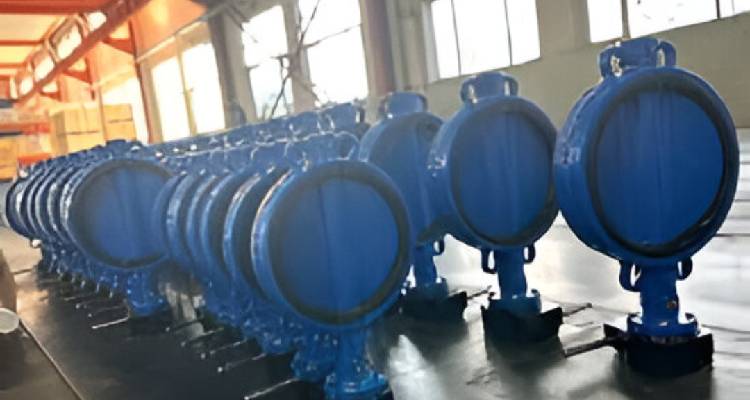
In industrial systems, a valve does more than open and close flow. It controls pressure, protects equipment and keeps operations safe. Even a small surface defect inside a valve can cause leakage, wear and pressure loss. This is why valve surface polishing is critical for valve performance.
In oil and gas environments, valves work under high pressure, heat and continuous operation. These conditions demand accurate surface finishing. A properly finished valve surface supports tight sealing, smooth movement and long service life. Without proper surface finishing, even a well designed valve can fail early and affect system safety.
What Is Valve Surface Polishing
Valve surface polishing is the process of refining valve contact surfaces to achieve smooth and even contact. It focuses on sealing areas where metal faces meet during operation.
The process usually begins with lapping. Lapping corrects surface flatness and alignment by removing material in a controlled way to prepare the surface for further finishing.
Polishing follows lapping and focuses on surface smoothness rather than material removal. Stock removal is minimal and the purpose is improving surface quality, not reshaping parts.
Final finishing works at a very fine level. Surfaces are refined to micron level accuracy to remove minor surface marks that affect sealing. This controlled process ensures proper contact between sealing faces.
Why Diamond Based Polishing Is Used for Valves
Diamond based polishing is widely used in valve finishing due to the extreme hardness of diamond abrasives. It allows polishing of hardened valve materials without surface damage.
This method provides controlled surface roughness and consistent polishing across sealing areas. Uniform material removal helps maintain correct valve dimensions.
Diamond based polishing performs well under high temperature conditions, making it suitable for oil and gas valves. It produces a smooth mirror like finish that improves sealing efficiency and reduces wear during operation.
Valve Components That Require Polishing
Several valve components depend on proper surface polishing for reliable operation.
Each polished component supports sealing performance, reliability and long term valve life.
Types of Surface Polishing Methods Used in Valve Finishing
Different polishing techniques are applied based on valve design and service requirements.
Together these methods ensure reliable and consistent valve surface quality.
Benefits of Proper Valve Surface Polishing
Proper valve surface polishing delivers clear operational benefits. Smooth sealing surfaces prevent leakage, pressure loss and fluid escape.
Polished valves experience less wear during repeated operation. This supports longer valve life and stable performance. Reduced surface friction also lowers maintenance needs and service frequency.
Better pressure control is achieved through consistent sealing and movement. Polished surfaces help valves meet oil and gas industry products standards related to safety reliability and performance.
How Petrostax Supports Advanced Valve Surface Polishing
Petrostax follows a process driven approach to valve surface finishing based on real oil and gas operating conditions. Each application receives the appropriate finishing method to support performance and safety.
Precision valve surface finishing practices focus on surface accuracy, sealing reliability and long service life. Polishing is treated as a critical quality step rather than a final touch.
This approach ensures valves perform consistently even in demanding oil and gas environments.
Conclusion
Valve performance depends on surface quality as much as mechanical design. Through proper valve surface polishing, valves achieve tight sealing, reduced wear and stable pressure control. From industrial valve polishing to oil and gas precision finishing, surface quality remains essential for safety and long term system performance.
FAQ
1. Why is valve surface polishing important?
It improves sealing quality and helps prevent leakage.
2. Which valve parts need polishing?
Valve seats, discs, balls, gate sealing faces and control sealing areas.
3. Is diamond based polishing suitable for oil and gas valves?
Yes. It supports high pressure and high temperature operation.
4. Does polishing increase valve life?
Yes. Smooth surfaces reduce wear and damage.
5. Can valve surface polishing be done during maintenance?
Yes. It helps restore sealing surfaces without full replacement.