
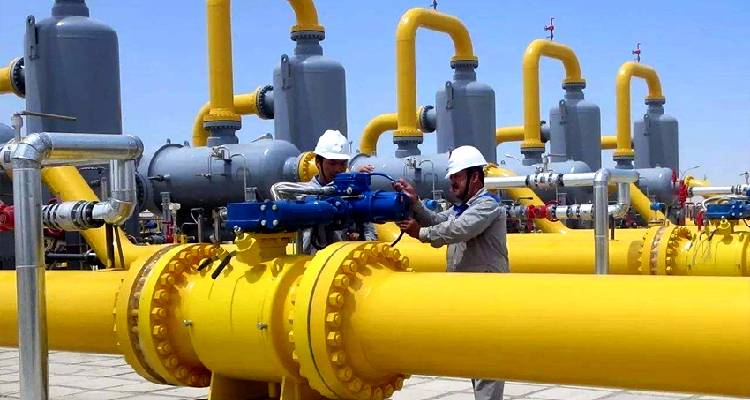
Choosing the right valve can decide how safe and smooth an oil and gas project will run. Many project delays start with small part issues. A valve may look simple but it controls flow, pressure, and safety in every line. This guide will help you understand how to choose the right valves and why working with a trusted industrial valves supplier in UAE matters for long-term results.
Oil and gas sites work under high pressure and heat every day. Because of this, the valve used must match the job perfectly. Using the wrong type can lead to leaks, downtime, and loss. This guide explains valve types, materials checks, and quality points in a clear way that anyone can understand.
Why Valves Matter in Oil and Gas Projects
Valves help control how oil, gas, and fluids move inside pipelines. They help stop, start, or guide flow in one direction. Safety is always the first need in oil and gas work. A small valve issue can affect the full line.
That is why many project teams depend on industrial valves for oil and gas that meet global rules and work well in tough site conditions. These valves must handle pressure, heat, and long working hours without failure.
A trusted supplier helps you choose the right valve based on project use, line size, and working pressure.
Common Types of Industrial Valves Used in Oil and Gas
Each valve has a clear role. Choosing the correct one helps avoid repair work and loss.
1. Gate Valves
Used to fully stop or allow flow. These are best when the line needs full open or full close use.
2. Ball Valves
Used for fast open and close action. These are easy to use and seal well.
3. Globe Valves
Used when flow control is needed. These help adjust flow level.
4. Check Valves
Used to stop reverse flow. These protect pumps and pipes.
5. Butterfly Valves
Used in large pipes where space and cost control matter.
All these are part of many systems supplied by trusted oil and gas valve manufacturers in UAE who follow set quality rules.
How to Choose the Right Valve for Your Project
This section works as a simple industrial valve selection guide to help buyers make better choices.
1. Know the Fluid Type
Check whether the line carries oil, gas, water, or mixed fluid. Each needs a valve material that can handle it.
2. Check Pressure and Heat Level
High pressure lines need strong body build and tested parts. Heat level also decides seal and body type.
3. Get the Right Material
Common materials include carbon steel, stainless steel, and alloy steel. The choice depends on site condition and fluid type.
4. Size Matters
Valve size must match pipe size. Wrong size can cause leaks or low flow.
5. End Connection Type
Check if the line needs flanged, threaded, or welded ends.
6. Operation Method
Manual valves use hand wheels. Auto valves use air or electric systems.
7. Test and Quality Proof
Always ask for test reports and standard approval. This is why many buyers prefer API certified industrial valves since they follow tested rules used in oil and gas work.
Why API Approval is Important
API approval means the valve meets global oil and gas rules. These rules help make sure the valve works safely under pressure and heat. API tested valves go through checks for body strength, leak control, and working life.
Using non-tested valves may save money at first but can cause risk later. API approved valves give peace of mind and long use life. Many project teams look for API certified industrial valves when working on major oil and gas sites.
Role of a Trusted Industrial Valves Supplier
A good supplier does more than sell parts. They help you choose the right valve for each use and support with documents and quick supply.
A trusted industrial valves supplier in UAE helps with:
Working with a known supplier reduces project delays and wrong buying.
Why UAE is a Key Source for Oil and Gas Valves
UAE plays a big role in the oil and gas field. Many global and local makers work from here. This makes it easier to find quality valves for export and local use.
Many oil and gas valve manufacturers in UAE follow global rules and supply to large energy projects. This gives buyers access to tested and approved products.
You can explore quality options directly through industrial valves for oil and gas which supports project needs with proper product range.
Common Mistakes to Avoid While Buying Valves
Many buyers face issues because of small mistakes. Avoid these points:
Following a simple industrial valve selection guide helps avoid these issues and saves cost later.
How to Ensure Long Life of Industrial Valves
Even the best valve needs proper care:
When these steps are followed, valves work longer and reduce shutdowns.
Why Petrostax is a Trusted Choice
Petrostax supports oil and gas projects with quality valve solutions. Their range includes tested products made for field use. They focus on clear support and correct product match.
Their platform offers access to industrial valves for oil and gas with proper standards and support. This helps buyers choose with confidence and avoid errors.
Final Thoughts
Choosing the right valve is not just about price. It is about safety, life, and smooth project work. With the right guidance and a trusted industrial valves supplier in UAE, oil and gas teams can avoid failure and delays.
Using approved products from known oil and gas valve manufacturers in UAE and selecting API certified industrial valves helps ensure long-term system health. A clear buying plan and simple checks make the process easy and safe.
FAQ
1. What are industrial valves used for in oil and gas projects?
They control flow, pressure, and direction of oil, gas, or fluid in pipelines.
2. Why should I choose API certified valves?
They follow tested rules and give safe and stable use in high pressure work.
3. How do I select the right valve type?
Check fluid type, pressure, size, and use purpose. A proper industrial valve selection guide helps.
4. Why buy from a supplier in UAE?
UAE suppliers offer tested products, fast supply, and support for oil and gas projects.